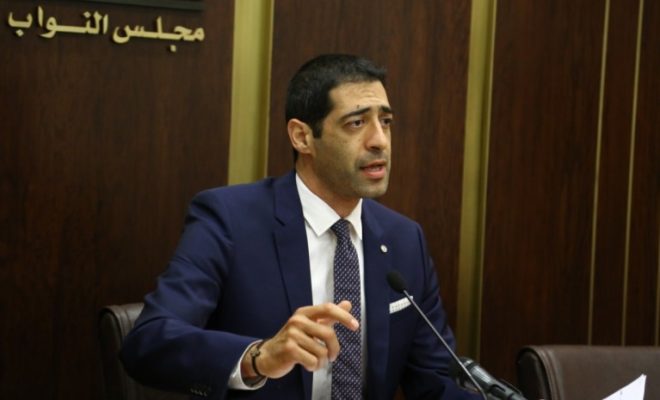

You glance down at the page again. Not because you forgot the point, you have said it to yourself a hundred times in preparation. You glance down because some part of you does not trust that it is still true without the paper confirming it.
I want to say something plainly. That page in your hand is not protecting your talk. It is quietly admitting you do not fully believe what you are about to say.
What Notes Actually Protect
We tell ourselves notes exist to protect the audience, to make sure nothing important gets missed, to keep the structure clean. That is a generous story. The truth is smaller and less flattering. Notes protect you. They exist so that if your mind goes quiet for a second, you never have to stand there with nothing, forced to trust that what matters will surface on its own.
That fear, standing there with nothing, is not a flaw to engineer around. It is the exact moment where real speaking happens. Every time you reach for the page instead of staying in that moment, you choose the paper’s version of your idea over your own living relationship with it.
The Page Cannot Lie for You, But It Can Hide You
Watch what happens to a speaker’s voice the instant their eyes drop to a script. The pace changes. The eye contact breaks. The sentence gets recited instead of delivered. The audience does not hear content decline in that moment. They feel a person leave the room and a reader take their place.
This is not about memorization. Plenty of speakers use notes and still speak with total conviction, glancing down briefly and returning immediately to the room. The problem is not the page existing. The problem is depending on it to hold the belief you should be holding yourself.
If You Needed to Read It, You Have Not Learned It
Here is the uncomfortable test. If you cannot say your central point without checking the page, you do not actually know it yet. You have memorized the shape of the sentence, not the truth underneath it. And an audience can always tell the difference between a sentence someone believes and a sentence someone is retrieving.
This is why the best moments in any talk almost never come from the scripted section. They come from the aside, the interruption, the moment the speaker puts the page down because something true needed to be said immediately, without waiting for permission from the paper.
What I Am Asking You to Do This Week
Take the single most important point in your next talk and remove it from your notes entirely. Do not write a version of it anywhere. Force yourself to say it from nothing but what you actually believe.
If it comes out rough the first few times, good. Rough and real will always land harder than polished and borrowed. That point was never supposed to live on the page. It was supposed to live in you, and it is time it finally did.
This is the sixth entry in the Beirut Tribune Weekly Post, published every Tuesday.
Say it plainly. Say it once. Say it like you mean it.
Fadi Badr
ان المعلومات و الاراء و الافكار الواردة في هذا المقال تخص كاتبها وحده و تعبر عن وجهة نظره الخاصة دون غيره؛ ولا تعكس، باي شكل من الاشكال، موقف او توجهات او راي او وجهة نظر ناشر هذا الموقع او ادارة تحريره.
ان هذا الموقع و ادارة تحريره غير مسؤوليين عن الاخبار و المعلومات المنشورة عليه، و المنسوبة الى مصادرها بدقة من مواقع اخبارية او وكالات انباء.